Geography
The country is not on one calendar
A month that is perfect in Laikipia can be the wrong month on the coast. Where you are going changes the answer.
| Region | Best months | Months to think twice about |
|---|---|---|
| Masai Mara | July – October for the migration; January – February and late June for value | April and early May — wet, and black-cotton tracks |
| Amboseli | June – October and January – February | April – May; also very dusty by late October |
| Laikipia | Almost any month; it is the most season-proof region in Kenya | April, for track conditions rather than wildlife |
| Samburu and the north | June – October and December – March | January – February midday heat; April – May tracks |
| Rift Valley lakes | Year-round; the drive is short and the roads are tarmac | Nothing seasonal — but see the note on flamingos |
| The coast | December – March, and July – October | April – May, the wettest months; some hotels close |
Masai Mara
The region with the sharpest calendar, because of the wildebeest. July to October is the migration window, August and September the likeliest for crossings, and the whole reserve is priced and booked accordingly.
Outside that window the Mara is still one of the best big-cat areas in Africa — the resident lion, cheetah and leopard do not leave when the wildebeest do. January, February and late June give you those animals with a fraction of the vehicles.
April and the first half of May are the months to be careful with. The black-cotton soil in parts of the reserve turns to grease and some camps close.
Amboseli
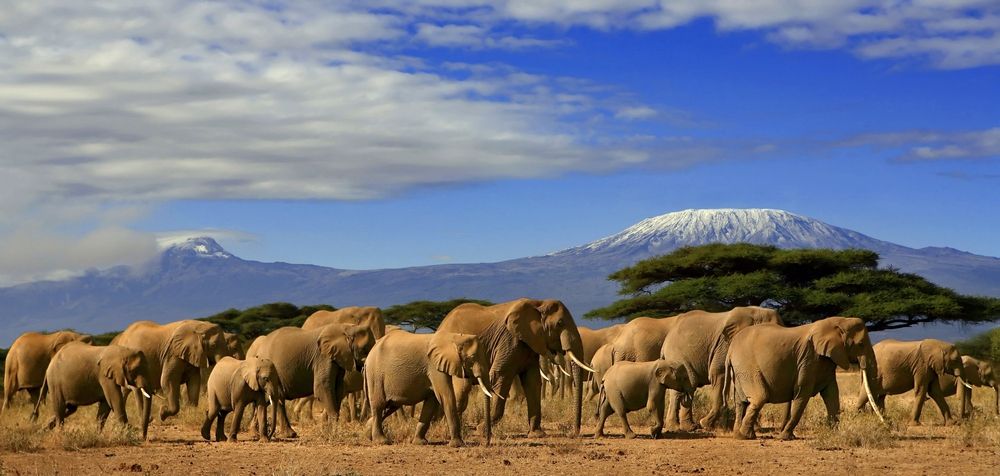
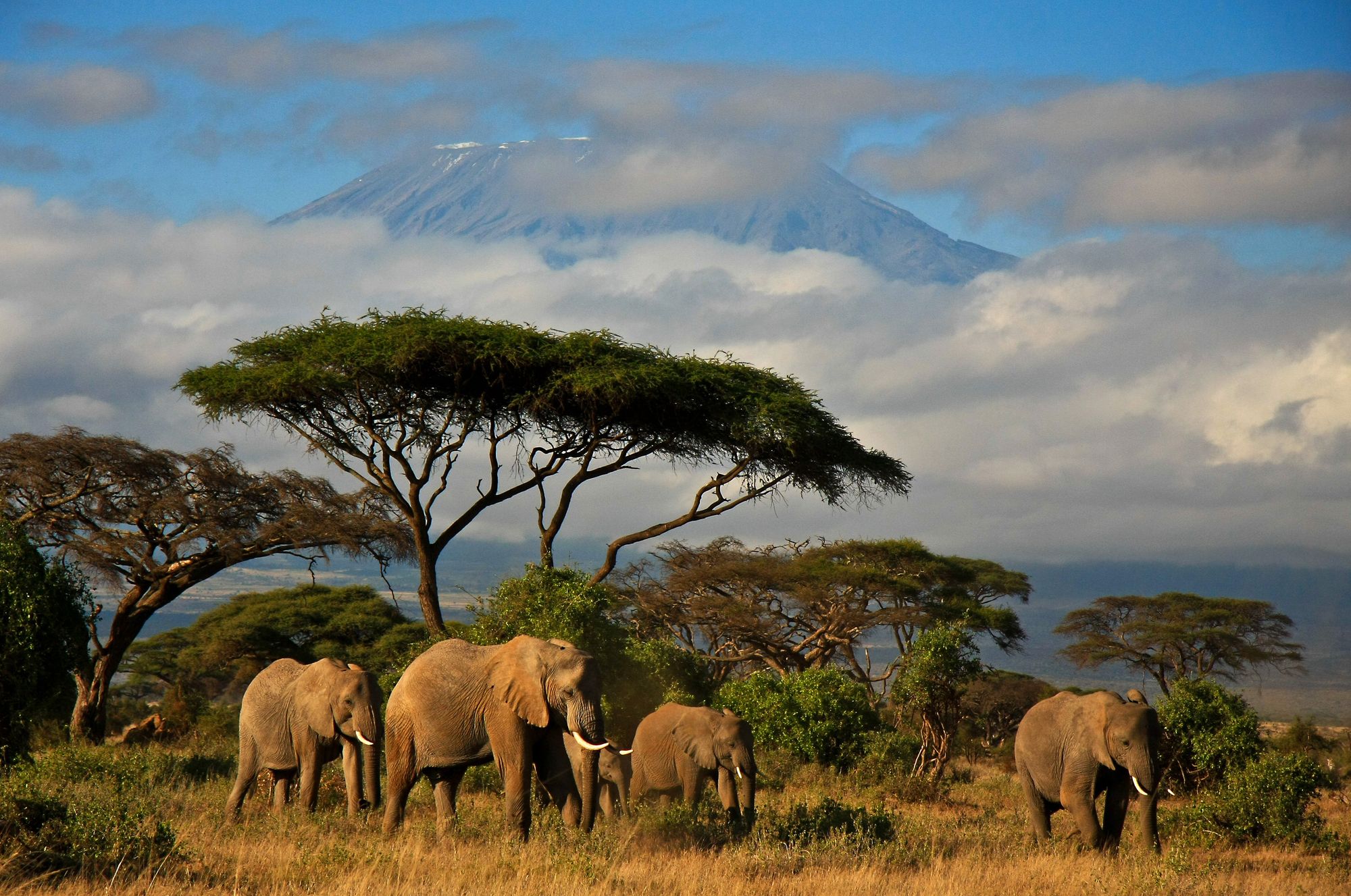
Amboseli’s calendar is really about two things: elephants and Kilimanjaro. The elephants are there year-round and are the most reliable sighting in Kenya. The mountain is not reliable at all — it makes its own cloud and spends much of the day hidden.
Your best chance at the mountain is the first hour after sunrise in the clear, dry air of January and February, and the last hour before sunset. June to October also works. In the rains it can stay hidden for days.
The other seasonal factor is dust. Amboseli is a dried lake bed, and by the end of a long dry season it is genuinely dusty.
Laikipia
The most season-proof region in the country. It sits high, so it stays cool; it is mostly private land, so the roads are maintained to whatever standard the property chooses; and its draw is activity rather than a single species event.
Riding, walking, night drives and tracking work in most months. If your dates are awkward — April, May, a wet November — Laikipia is usually the part of the itinerary that still works.
Samburu and the north
Hot, arid and on the dry-season pattern: June to October and December to March. The Ewaso Ng’iro concentrates everything in the dry months, which is when the game viewing is at its best.
The caveat is heat rather than rain. January and February at midday in Samburu are hard work, and camps build the day around early starts and late afternoons because of it.
The Rift Valley lakes
Nakuru, Naivasha, Elementaita and Bogoria sit close to Nairobi on good tarmac, and they work year-round. There is no month that shuts them down.
The flamingos are a different question, and not a seasonal one. Water levels across the Rift lakes rose substantially from around 2013, which diluted the alkalinity that feeds the algae the lesser flamingos eat, and many of the birds moved elsewhere in the chain. Nakuru is no longer dependable for the pink-shoreline photograph. Bogoria is the more reliable lake now.
The coast
The coast runs on monsoon winds rather than on the safari seasons, and if you are adding a beach week you need to check it separately.
| Coastal season | Roughly | Character |
|---|---|---|
| Kaskazi — the north-east monsoon | November – March | Hotter, calmer water, the classic beach months |
| Kusi — the south-east monsoon | April – October | Windier and fresher. Excellent for kitesurfing; some beaches collect more seaweed. |
April and May are the wettest months on the coast as well as inland, and a number of hotels close for part of them. Otherwise the coast is hot and humid all year, which catches out people arriving from a chilly dawn in the Mara.
The awkward combination is a safari in August and a beach week straight after: the parks are at their best and the coast is in the windy season. It still works, and thousands of people do it every year, but if the beach half matters more than the safari half, consider January or February instead.
More from our Kenya guides
Specialist guides across our Kenya network
Each of these is a focused guide we publish. Same Kenya specialist behind every enquiry.
Not sure which regions fit your window?
Send us your dates and we will build a route around what actually works in that month, rather than a standard circuit.